
If you’ve never visited a chiropractor before, it’s natural to have questions about what happens during a chiropractic adjustment. Many people wonder if it will hurt, what they’ll feel, or whether chiropractic care is safe.
At Anchored In Health, we believe that understanding your care helps you feel more comfortable and confident. Whether you’re seeking relief from neck pain, back pain, headaches, or simply looking to support your overall health, this guide will walk you through what to expect during your first chiropractic adjustment.
What Is a Chiropractic Adjustment?
A chiropractic adjustment is a gentle, controlled technique used to help restore proper movement to joints that are not functioning as well as they should. When joints become restricted, they may contribute to discomfort, stiffness, reduced mobility, and increased stress on surrounding muscles and tissues.
The goal of an adjustment is to improve joint motion, support healthy nervous system function, and help the body move more efficiently.
Many patients seek chiropractic care for:
- Neck pain
- Back pain
- Headaches
- Sciatica
- Joint stiffness
- Postural concerns
- Sports injuries
- Pregnancy-related discomfort
- General wellness and mobility
What Happens During Your First Visit?
Your first visit typically includes a thorough consultation and examination before any treatment is performed.
During your appointment, your chiropractor will discuss:
- Your health history
- Current symptoms
- Previous injuries or surgeries
- Lifestyle factors
- Health goals

A physical examination may include:
- Posture evaluation
- Range of motion testing
- Orthopedic and neurological assessments
- Muscle testing
- Spinal and joint evaluation
At Anchored In Health, Dr. Cindy may also incorporate Applied Kinesiology techniques as part of a comprehensive assessment to help guide individualized care.
Once the examination is complete, your chiropractor will explain the findings and discuss whether chiropractic care may be appropriate for your situation.
What Does a Chiropractic Adjustment Feel Like?
Many people are surprised by how gentle a chiropractic adjustment can be.
During an adjustment, you may feel:
- A quick movement of the joint
- Mild pressure
- A sense of release
- Improved mobility immediately afterward
Sometimes an adjustment produces a popping or cracking sound. This sound is simply the release of gas from the joint and is similar to the sound that occurs when cracking your knuckles.
Not all chiropractic techniques involve this sound, and the presence or absence of a popping noise does not determine the effectiveness of the adjustment.
Different Types of Chiropractic Techniques
Chiropractors use a variety of techniques based on the patient’s age, comfort level, health history, and clinical findings.
Some common approaches include:
Manual Adjustments
These involve a precise, controlled movement applied by hand to help improve joint motion.
Instrument-Assisted Adjustments
Some chiropractors use specialized instruments that deliver a gentle force to specific areas of the body.
Low-Force Techniques
These approaches may be appropriate for individuals who prefer a gentler experience, including some older adults, children, and patients with certain health considerations.
Specialized Chiropractic Techniques
At Anchored In Health, care may also incorporate Applied Kinesiology and Bio-Energetic Synchronization Technique (B.E.S.T.) as part of a holistic approach that considers structural, biochemical, and emotional factors that may influence health and well-being.
Does a Chiropractic Adjustment Hurt?
Most patients report little to no discomfort during an adjustment.
In fact, many people experience immediate relief, improved mobility, or a feeling of reduced tension afterward.
Some individuals may experience mild soreness for a day or two following treatment, similar to what you might feel after beginning a new exercise program. This response is generally temporary as the body adapts to improved movement patterns.
Is Chiropractic Care Safe?
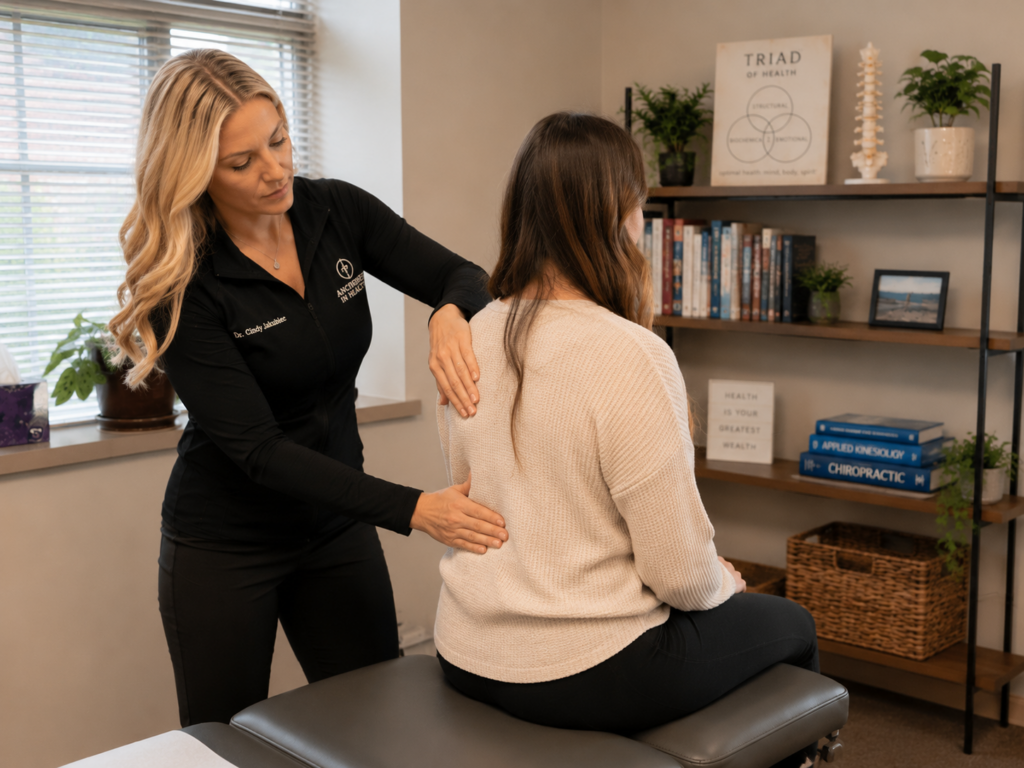
Chiropractic care is generally considered safe when performed by a licensed chiropractor who has completed appropriate education and training.
Before providing care, chiropractors perform a thorough evaluation to determine whether chiropractic treatment is appropriate and to identify any situations that may require referral or additional evaluation.
Your safety is always the top priority, and care should be individualized based on your health history and examination findings.
What Happens After an Adjustment?
After an adjustment, many patients notice:
- Improved mobility
- Reduced muscle tension
- Increased flexibility
- Better posture awareness
- A sense of relaxation
Some people experience changes immediately, while others notice gradual improvements over a series of visits.
Depending on your individual needs, your chiropractor may also recommend:
- Stretching exercises
- Mobility work
- Ergonomic modifications
- Nutritional support
- Lifestyle recommendations
These strategies can help support long-term results and overall wellness.
Who Can Benefit from Chiropractic Care?
Many people are surprised to learn that chiropractic care is not just for adults with back pain. Because the spine, joints, muscles, and nervous system play important roles throughout life, people of all ages may choose chiropractic care as part of their health and wellness routine.
Athletes
Athletes place significant demands on their bodies through training, competition, and repetitive movement patterns. Chiropractic care may help support joint mobility, flexibility, recovery, and overall physical performance. Many athletes seek care to address discomfort, improve movement, and help maintain optimal function during their sport or activity.
Children and Teens
Growing bodies undergo constant physical changes. Children and teenagers may experience physical stress from sports, heavy backpacks, prolonged screen time, falls, and everyday activities. Chiropractic care for children and teens is tailored to their age and individual needs, using gentle techniques designed to support healthy movement and development.
Infants
Some parents choose to have their infants evaluated by a chiropractor following birth. Pediatric chiropractic care uses extremely gentle techniques and is very different from care provided to adults. Parents often seek care to support comfort, mobility, and overall well-being during the early stages of growth and development.
Pregnant Women
Pregnancy brings significant physical changes as the body adapts to support a growing baby. Many pregnant women seek chiropractic care to help manage common musculoskeletal discomforts, improve mobility, and support pelvic balance throughout pregnancy. Dr. Cindy is trained in the Webster Technique, a specialized chiropractic approach commonly used during pregnancy.
Busy Professionals
Long hours at a desk, frequent computer use, and daily stress can contribute to neck tension, headaches, shoulder discomfort, and lower back pain. Chiropractic care may help address the physical effects of prolonged sitting and support better posture and movement throughout the workday.
Older Adults
Maintaining mobility, flexibility, and balance becomes increasingly important with age. Many older adults incorporate chiropractic care into their wellness routine to help support joint function, remain active, and continue participating in the activities they enjoy.
Individuals Focused on Wellness
Not everyone who visits a chiropractor is experiencing pain. Some people choose ongoing chiropractic care as part of a proactive wellness plan designed to support healthy movement, physical function, and overall quality of life.
At Anchored In Health, every treatment plan is personalized. Care recommendations are based on your health history, examination findings, goals, and individual needs to ensure an approach that is both safe and appropriate for you.
Ready to Experience Chiropractic Care for Yourself?
If you’ve been considering chiropractic care but weren’t sure what to expect, you’re not alone. Understanding the process can help you feel more comfortable taking the first step toward better movement, improved function, and overall wellness.
At Anchored In Health, Dr. Cindy Jakubiec takes a personalized approach to chiropractic care, combining years of experience with a holistic perspective that looks beyond symptoms to support your overall health goals.
Call our office at (708) 462-5113 to schedule your first visit or to learn more about whether this approach is right for you.
Other Holistic Health Services at Anchored in Health in Orland Park, IL
Anchored in Health offers a wide variety of services to support your overall health. This includes functional medicine, acupuncture, chiropractic care, massage therapy, and the Shape ReClaimed program. We also offer thermography, genetic testing, DUTCH testing and Vibrant Wellness testing to gain powerful insights about your body. If you’re looking for holistic support for perimenopause or chronic stress, we’re here for you. Reach out to us today, and let’s get you feeling better!
Frequently Asked Questions
How long does a chiropractic adjustment take?
The adjustment usually takes 15 minutes, although your first appointment will include a consultation and examination that takes 45-50 minutes.
How many adjustments will I need?
Every person is different. The number of visits recommended depends on your goals, health history, and how your body responds to care.
Do adjustments always make a popping sound?
No. Many effective chiropractic techniques do not produce any popping or cracking sounds.
Can I exercise after a chiropractic adjustment?
In many cases, yes. Your chiropractor can provide personalized recommendations based on your condition and treatment plan.
Is chiropractic care only for back pain?
No. While many people seek chiropractic care for neck and back discomfort, chiropractic care may also be used to support mobility, posture, joint function, and overall musculoskeletal health.
Disclaimer: The information provided on this blog is for educational and informational purposes only and is not intended to diagnose, treat, cure, or prevent any disease. The content is not a substitute for professional medical advice, diagnosis, or treatment. Always seek the guidance of a qualified healthcare provider with any questions you may have regarding your health or a medical condition.
Reading this blog does not establish a doctor-patient relationship between you and Anchored In Health or any of its practitioners. Reliance on any information provided in this blog is solely at your own risk.