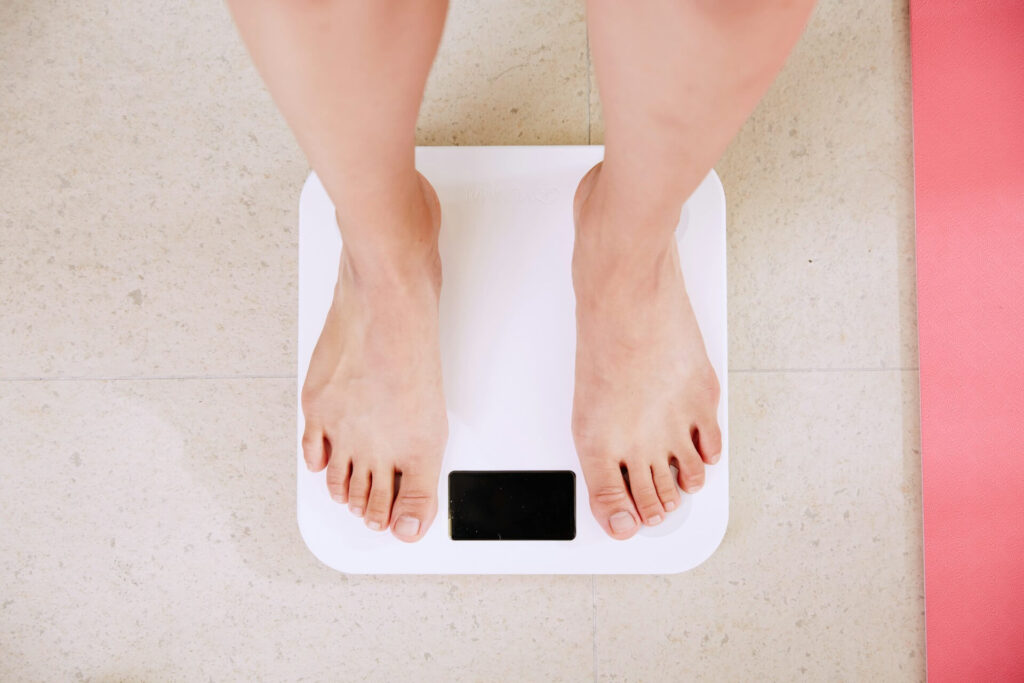
From hot flashes to insomnia, perimenopause brings plenty of unwelcome visitors. But one of the most frustrating? Weight gain, which affects 60-70% of perimenopausal women.1
This creates a lot of confusion for women in their late 30s and early 40s. Clothes may feel tighter, and weight can creep up – even if your diet and exercise routine are the same.
If this sounds familiar, you’re not doing anything wrong, and it’s not your fault. Your body’s just changing. Perimenopause brings a mix of hormonal shifts (among other changes) that can make it harder to maintain your weight.
The good news? There are things you can do to prevent perimenopause weight gain. Keep reading for a functional medicine doctor’s take on what causes weight gain in perimenopause, and how to take back control with the help of functional medicine.
Perimenopause and Weight Gain
Before we dive in, let’s lay the groundwork with a quick refresh on what perimenopause is.
Perimenopause, also known as the “menopause transition,” is the period leading up to menopause. It begins roughly 8-10 years before menopause hits.2 This often occurs in your late 40s, but it can start as early as your mid-30s.
During perimenopause, your ovaries start producing less hormones, like estrogen and progesterone. This can cause your menstrual cycles to become irregular and trigger a host of symptoms, including (you guessed it) weight gain.
Weight Gain and Body Composition Changes During Perimenopause
According to the SWAN study, women gain 1.5 pounds each year during perimenopause on average.3

Perimenopause also changes where fat gets stored on your body. Instead of collecting around your hips and thighs, it shifts to your abdominal area. This is often referred to as “meno belly.”
More belly fat not only makes it harder to fit into your jeans, but it’s also a health risk. Visceral fat is a type of abdominal fat that surrounds your internal organs, and it tends to increase in perimenopause. This can increase the risk of conditions like heart disease, diabetes, and high blood pressure.
This isn’t meant to be scary. It’s just meant to shed some awareness of how your body can change during the transition. Luckily, there’s a lot you can do to support your body along the way (more on that later).
What Causes Perimenopause Weight Gain?
According to functional medicine, most health issues have more than one root cause. Your body is a complex, interconnected system. When one imbalance occurs, it can trigger a cascade of others. And perimenopause weight gain illustrates this perfectly.
Here are some of the most common causes of weight gain during perimenopause:
Hormonal shifts
Perimenopause is full of hormonal changes, including a decline in estrogen. This can trigger a slew of symptoms like mood swings, hot flashes, and yes – weight gain. Estrogen plays a role in regulating your metabolism. When it drops, your metabolism slows down. This can make it harder to maintain a healthy weight, even if you haven’t changed your diet.
Appetite changes
Estrogen’s decline can also affect your appetite. Research shows it works like an appetite suppressant and inhibits food intake.3 So when estrogen dips in perimenopause, it can cause you to eat more food. More calories plus a slower metabolism can lead to weight gain.
Poor sleep
Symptoms like night sweats and insomnia are common in perimenopause. Unfortunately, lack of sleep can disrupt your appetite, too. Poor sleep increases your hunger hormone ghrelin and decreases leptin, the hormone that signals you’re full.4 This can increase cravings and make it easier to overeat.
Muscle loss
Women lose 3-8% of their muscle each decade after age 30.5 This age-related muscle loss (sarcopenia), while natural, also sets the stage for weight gain. Muscle burns more calories than fat, even when you’re at rest! So when muscle mass decreases, you burn fewer calories. That’s why your weight can go up, even when you’re eating the same amount.
Insulin issues
Estrogen improves insulin sensitivity and helps your blood sugar stay balanced.6 It unlocks the cells in your blood vessels so glucose can get out of your bloodstream and into your muscles. This lowers your blood sugar. When estrogen dips in perimenopause, your body can become less sensitive to insulin. This can make it harder to keep glucose levels balanced. Since excess glucose is stored as fat, this can lead to weight gain.
Less physical activity
Many women become less active in perimenopause, and it’s no surprise. Between work, motherhood, and caring for aging parents, midlife women juggle so much. This doesn’t leave much time for self-care. Plus, perimenopause symptoms like fatigue can make it hard to stay motivated to work out. Over time, less movement can start showing up on the scale.
Gut health
Your gut microbiome plays a role in how your body absorbs and converts nutrients into energy. The problem? The hormonal shifts of perimenopause (especially estrogen’s decline) alter your gut microbiome. It decreases gut diversity, a key marker of good gut health.7 Poor gut diversity can increase the risk of dysbiosis. This creates inflammation, which can set the stage for weight gain.
Stress
Midlife women already have so much on their plates. Hot flashes, mood swings, and other perimenopause symptoms only add more stress to the mix. This, too, can contribute to weight gain. Stress elevates cortisol levels, which increases cravings for sugary and fatty foods. Cortisol also promotes fat storage, especially around your belly.
How Long Does Perimenopause Weight Gain Last?
This question comes up a lot at our Orland Park functional medicine clinic. The short answer? Not forever. It tends to stabilize over time as your hormones recalibrate. Typically, weight gain levels off within a few years of the last menstrual cycle.
That said, you don’t have to wait until your hormones settle to get your weight in a healthier spot. While weight loss can be harder during perimenopause, I’m here to tell you, it is possible!
How to Manage Perimenopause Weight Gain
Losing weight during perimenopause takes a holistic approach. In order for weight loss to stick, diet, exercise, sleep, and lifestyle habits all need to be considered.
As a functional medicine doctor, here are some of my top recs for maintaining a healthy weight in perimenopause:
Cut processed foods
Ultra-processed foods don’t do your metabolism (or waistline) any good. They’re often high in sugar, low in nutrition, and can even lead to overeating. In fact, people who eat them consume up to 500 more calories per day.9
Processed foods also create inflammation, which can contribute to weight gain.10 So if you want to slim down, try sticking to whole and minimally processed foods as much as possible. One easy way to do this is to follow an anti-inflammatory diet, such as the Mediterranean diet. Studies show it can help with weight management. 11
If you need some inspiration, check out my previous articles on the adrenal fatigue diet and the best detox foods. Both are packed with nutritional tips perfect for perimenopause.
Bump up protein

Protein helps your body preserve and build muscle. And the more muscle you have, the better your metabolism! Protein also stabilizes your blood sugar and promotes satiety, so you’re less likely to overeat.
What’s more, protein has the highest thermic effect of all macronutrients. Meaning, your body burns more calories digesting protein, compared to carbs or fat. How much protein is enough? A good rule of thumb is to shoot for 25-30+ grams of protein at each meal.
Eat more fiber
Fiber helps keep your glucose levels steady and promotes satiety. Fiber also provides fuel for your gut microbiome to help it stay balanced. Fiber-rich foods to reach for include non-starchy veggies, whole fruits, legumes, flaxseed, and chia seeds.
Aim for 30 grams of fiber per day. If you’re new to high-fiber foods, be sure to work your way up slowly. Adding it in too quickly can lead to constipation.
Move more

Staying active is one of the best ways to manage your weight during perimenopause. The more you move, the more calories you burn. Strength training is particularly important since it builds muscle. Remember: muscle boosts your metabolism.
While more movement is generally a good thing, you don’t want to overdo it. Intense or prolonged cardio workouts can spike cortisol and disrupt your hormones. Aim for low-impact activities like walking, swimming, yoga, or pilates to support hormone balance.
Get enough sleep
Lack of sleep raises cortisol and disrupts your blood sugar and appetite hormones. This combination can increase cravings for sugary or salty foods.12 So if you want to lose weight during perimenopause, make getting 7-9 hours of sleep a top priority. Have a hard time getting quality zzz’s? Check out my functional medicine sleep guide.
Manage stress

If you want to maintain a healthy weight, managing stress is a must. Stress raises cortisol, which disrupts your blood sugar and can trigger cravings for sugary and fatty foods. To keep stress in check, make time for daily relaxation. Whether that’s journaling, meditation, spending time in nature, or simply taking a few slow, deep breaths, it all adds up.
Consider supplemental support
Supplements aren’t a magic bullet for weight loss, and they’re not a substitute for a healthy diet or lifestyle. However, they can provide extra support to help your body stay balanced.
Here are a few of my favorite weight loss supplements for perimenopause:
- Berberine: Nicknamed “nature’s Ozempic,” berberine stabilizes blood sugar and improves insulin sensitivity.
- Psyllium: A form of soluble fiber that promotes fullness, which may curb overeating.
- Creatine: Helps your body build muscle to give your metabolism a boost.
- Magnesium: A calming mineral that eases stress and supports restful sleep, which is often lacking in perimenopause.
How Functional Medicine Helps with Perimenopause Weight Gain
If you’re eating well and staying active, but still gaining weight, functional medicine at Anchored in Health can help. Instead of just focusing on calories, functional medicine doctors dig deep to understand why your body is holding onto weight.
Hormones, gut health, blood sugar, stress, nutritional imbalances, and lifestyle can all play a role. These often shift during perimenopause and can affect how your body manages weight.
From there, we create a personalized plan to support your metabolism and hormones. Once your body gets what it needs, weight loss feels more doable and less frustrating.
Ready to Take Back Control of Your Weight? Visit a Functional Medicine Doctor in Orland Park, IL
Weight loss during perimenopause can feel overwhelming, but it is possible. With the right support, you can feel more in control and confident again.
At Anchored in Health, we take a holistic, whole-body approach to treating perimenopause weight gain. As a functional medicine doctor, I offer personalized nutrition, lifestyle, and supplement recommendations to support your hormones and metabolism.
Live in the Chicago area and are ready to take the next step? Here’s how to get started:
- Contact us with questions.
- Book your first appointment with our functional medicine doctor in Orland Park, IL
- Get a clear, tailored plan to restore balance to your hormones and weight!
Other Holistic Health Services Offered at Anchored in Health in Orland Park, IL
Our functional medicine clinic is unique, as we offer a range of holistic services that support weight loss. This includes acupuncture, the Shape ReClaimed program, and Vibrant Wellness testing. We also provide chiropractic care, massage therapy, genetic testing, and thermography. If you’re ready to take control of your weight and make this year your healthiest year yet, we’re here to support you!
Disclaimer: The information provided on this blog is for educational and informational purposes only and is not intended to diagnose, treat, cure, or prevent any disease. The content is not a substitute for professional medical advice, diagnosis, or treatment. Always seek the guidance of a qualified healthcare provider with any questions you may have regarding your health or a medical condition.
Reading this blog does not establish a doctor-patient relationship between you and Anchored In Health or any of its practitioners. Reliance on any information provided in this blog is solely at your own risk.
Sources:
- Sleep and sleep disorders in the menopausal transition | PMC
- Perimenopause | The Cleveland Clinic
- Weight Gain in Midlife Women | PMC
- Sex hormones, appetite and eating behaviour in women | Pubmed
- Effects of acute sleep loss on leptin, ghrelin, and adiponectin in adults with healthy weight and obesity: A laboratory study | Pubmed
- Muscle tissue changes with aging | PMC
- Estrogen Improves Insulin Sensitivity and Suppresses Gluconeogenesis via the Transcription Factor Foxo1 | PMC
- Menopausal shift on women’s health and microbial niches | NPJ Women’s Health
- Ultra-Processed Diets Cause Excess Calorie Intake and Weight Gain: An Inpatient Randomized Controlled Trial of Ad Libitum Food Intake | Pubmed
- Obesity and inflammation: the linking mechanism and the complications | PMC
- The Importance of Nutrition in Menopause and Perimenopause—A Review | PMC
- Role of Sleep and Sleep Loss in Hormonal Release and Metabolism | PMC