
As the days get shorter, your energy levels may be changing, too. But is it simply seasonal fatigue, or could your hormones, thyroid, or sleep patterns be contributing to the problem?
Fall is a beautiful time of year in Orland Park and the southwest Chicago suburbs. The leaves are changing, temperatures are cooling, and the holiday season is quickly approaching.
But for many women, this time of year also brings something less enjoyable: exhaustion, brain fog, disrupted sleep, mood changes, and a noticeable drop in energy.
You may find yourself reaching for another cup of coffee, struggling to get out of bed, or feeling completely drained by midafternoon.
It’s easy to blame the shorter days, busy schedules, or changing weather. While these factors can certainly play a role, persistent fatigue may be your body’s way of telling you something else deserves attention.
At Anchored In Health in Orland Park, Illinois, Dr. Cindy Jakubiec takes a personalized, functional medicine approach to understanding the many factors that can contribute to fatigue, particularly in women navigating their 30s, 40s, and 50s.
Why Do We Feel More Tired in the Fall?
As summer transitions into fall, our bodies respond to changes in daylight, temperature, activity levels, and daily routines.
One of the most important influences is our circadian rhythm, the body’s internal clock that helps regulate sleep, wakefulness, alertness, and several hormonal processes.
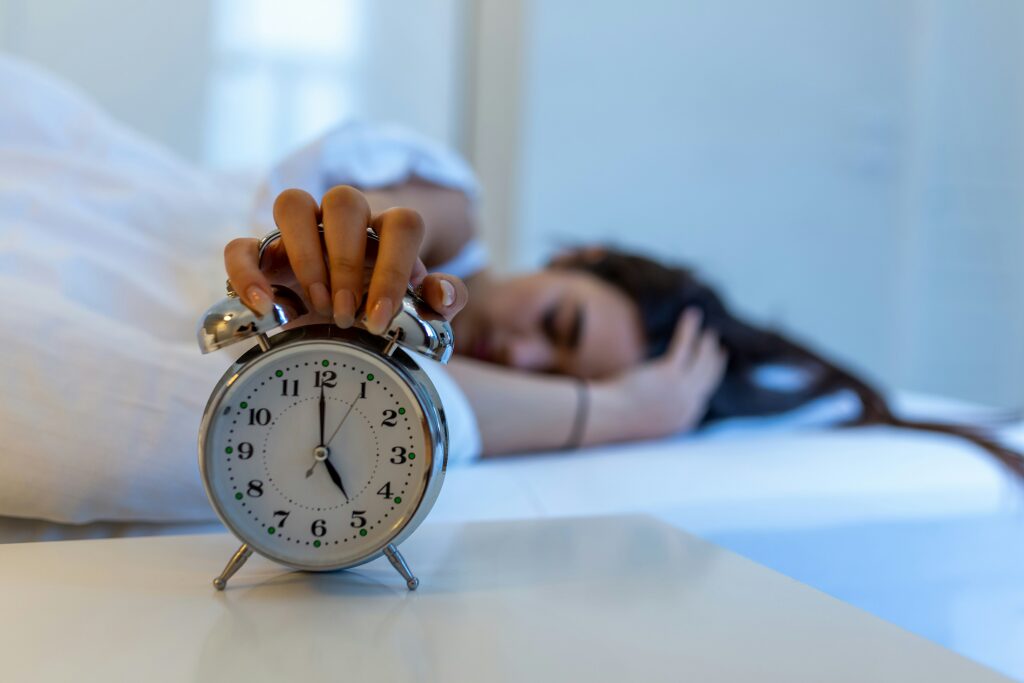
Natural light helps keep this internal clock synchronized. As daylight hours decrease, some people notice changes in their sleep patterns, mood, and energy.
Here in the Chicago area, shorter fall days can mean leaving for work in the dark and returning home after sunset.
For some people, reduced daylight contributes to seasonal mood changes. For others, it may compound existing problems such as poor sleep, chronic stress, or underlying health conditions.
The important question is whether your fatigue is a temporary response to seasonal changes or a sign of something more.
Could Perimenopause Be Contributing to Your Fall Fatigue?
Perimenopause has become an increasingly popular topic in health news and social media, and for good reason.
Many women are discovering that symptoms they previously attributed to stress, aging, or busy lifestyles may actually be associated with hormonal changes.
Perimenopause is the transitional period leading up to menopause, during which estrogen and progesterone levels can fluctuate considerably.
These changes may begin years before menstrual periods stop completely.
Common symptoms include:
- Persistent fatigue or low energy
- Difficulty falling asleep or staying asleep
- Waking during the night, sometimes around 2 or 3 a.m.
- Brain fog and difficulty concentrating
- Mood changes, irritability, or increased anxiety
- Hot flashes and night sweats
- Changes in menstrual cycles
- Changes in body composition or weight
Not every woman experiences the same symptoms, and not every symptom is necessarily caused by hormones.
What Does Recent Research Say About Perimenopause and Sleep?
In May 2026, researchers involved in the Apple Women’s Health Study, conducted in collaboration with Harvard T.H. Chan School of Public Health, highlighted changes in sleep patterns during the perimenopausal transition.
Their findings reinforce an important point: sleep difficulties are common during perimenopause, and hormonal changes, hot flashes, and night sweats may contribute to disrupted rest.
For women already struggling with fatigue, the shorter days of fall can make these existing sleep challenges feel even more noticeable.
Rather than assuming exhaustion is simply part of getting older, it’s worth exploring what may be affecting your sleep and overall health.
Your Thyroid May Also Play a Role
Your thyroid helps regulate metabolism, temperature, and energy production.
When thyroid hormone levels are too low, people may experience symptoms that overlap with seasonal fatigue and perimenopause.
These can include:
- Persistent tiredness
- Feeling unusually cold
- Dry skin or hair thinning
- Constipation
- Difficulty concentrating
- Weight changes
- Low mood
Because several of these symptoms can occur during perimenopause, thyroid dysfunction may sometimes be overlooked.

A thorough evaluation may include thyroid-stimulating hormone (TSH) and free T4 testing, with additional testing when clinically indicated.
At Anchored In Health, functional medicine assessments consider thyroid health alongside nutrition, sleep, stress, and other factors that may influence how a patient feels.
The Fall Time Change: An Extra Challenge for Sleep and Energy
On Sunday, November 1, 2026, daylight saving time ends, and clocks moved back one hour.
Although gaining an extra hour sounds appealing, the transition can temporarily affect sleep schedules and circadian rhythms.
In October 2026, the American Academy of Sleep Medicine renewed its recommendation for permanent standard time, emphasizing the importance of aligning our daily schedules with natural biological rhythms.
For women already experiencing perimenopausal sleep disturbances, inconsistent sleep schedules or reduced evening daylight may add to existing challenges.
A few simple habits may help:
- Maintain a consistent bedtime and wake-up time.
- Get outside for natural light in the morning.
- Limit caffeine later in the day.
- Keep your bedroom cool, dark, and comfortable.
- Reduce bright light and screen exposure before bed.
- Make time for regular physical activity.
Even small adjustments can help support healthier sleep patterns.
Is It Really Hormones, or Could Something Else Be Causing Your Fatigue?
Hormonal changes are only one piece of the puzzle.

Persistent fatigue can have multiple contributing factors, and it’s important not to assume that every woman in midlife is experiencing a hormonal problem.
Other possibilities include:
Iron deficiency or anemia: Low iron stores, with or without anemia, may contribute to fatigue, reduced exercise tolerance, and difficulty concentrating.
Blood sugar regulation: Insulin resistance and fluctuations in blood glucose may affect metabolic health and sometimes contribute to changes in energy.
Nutritional deficiencies: Inadequate vitamin B12, iron, or other nutrients can contribute to fatigue, depending on the individual.
Sleep disorders: Sleep apnea and other sleep conditions can interfere with restorative sleep, even when someone spends enough hours in bed.
Chronic stress: Ongoing psychological and physical stress can affect sleep quality, mood, and daily energy.
Seasonal mood changes: Some individuals experience seasonal affective disorder or milder seasonal depressive symptoms as daylight decreases.
Identifying the underlying contributors is important because fatigue is a symptom, not a diagnosis.
How Functional Medicine in Orland Park Can Help You Explore the Causes of Fatigue
If you’ve been told that your blood work looks normal but you still don’t feel like yourself, you may be wondering what to do next.
At Anchored In Health, Dr. Cindy Jakubiec uses a personalized functional medicine approach that looks beyond a single symptom.
Instead of focusing only on how tired you feel, the goal is to better understand the factors that may be contributing to your fatigue.
Depending on your history and symptoms, this may include evaluating:
- Sleep quality and circadian rhythm
- Thyroid function
- Perimenopausal and menopausal symptoms
- Nutritional status and dietary patterns
- Blood sugar and metabolic health
- Digestive health
- Stress and lifestyle factors
- Relevant medical history and medications
When appropriate, laboratory testing may help identify conditions or deficiencies that warrant treatment or referral.
Recommendations are individualized and may include nutritional guidance, lifestyle changes, sleep strategies, or coordination with other healthcare providers for medical treatment.
You deserve an explanation for how you’re feeling, not just reassurance that fatigue is part of getting older.
Five Ways to Support Your Energy This Fall
While persistent fatigue deserves a proper evaluation, there are several practical steps you can take to support your health as the seasons change.
1. Start Your Morning With Natural Light
Spend some time outdoors in the morning, even on cloudy days. Natural daylight helps reinforce your body’s sleep-wake cycle.
Consider a morning walk through one of Orland Park’s local parks or nearby walking trails.

2. Prioritize Protein and Balanced Meals
Include adequate protein, fiber-rich vegetables, and nutritious whole foods throughout the day.
Balanced meals can support satiety, nutrition, and more consistent energy.
3. Keep Moving as Temperatures Drop
Cooler weather doesn’t mean you have to stop being active.
Walking, strength training, stretching, and other enjoyable activities can support cardiovascular health, mobility, mood, and sleep.
4. Protect Your Sleep Schedule
Try to maintain consistent sleep and wake times, especially around the November time change.
If night sweats, insomnia, snoring, or repeated nighttime awakenings are interfering with your rest, discuss them with a qualified healthcare professional.
5. Don’t Ignore Persistent Fatigue
If your energy remains low despite adequate sleep and healthy habits, or fatigue is affecting your daily activities, consider a medical evaluation.
New, unexplained, or worsening fatigue should not automatically be attributed to hormones or seasonal changes.
Functional Medicine for Women in Orland Park and the Southwest Chicago Suburbs
If you’re searching for functional medicine in Orland Park, IL, or looking for a more personalized approach to fatigue, thyroid concerns, hormonal changes, and overall wellness, Anchored In Health welcomes patients from throughout the southwest Chicago suburbs.
Our office in Orland Park serves patients from Tinley Park, Frankfort, Mokena, Homer Glen, Palos Heights, Palos Park, Lemont, New Lenox, Lockport, and surrounding Chicagoland communities.
Dr. Cindy Jakubiec combines her background in chiropractic and functional medicine with an individualized, whole-person approach to health.
Whether you’re experiencing persistent fatigue, navigating perimenopause, or simply feeling that something isn’t quite right, the goal is to help you better understand your health and take meaningful steps toward improving it.
Frequently Asked Questions About Fall Fatigue and Hormonal Changes
Is it normal to feel more tired during the fall?
Some people experience changes in energy, sleep, and mood as daylight hours decrease. However, persistent or significant fatigue should not automatically be blamed on the season. Thyroid disorders, anemia, sleep disturbances, depression, and other conditions may contribute.
Can perimenopause cause fatigue even if I still have regular periods?
Yes. Hormonal fluctuations can begin before menstrual cycles become noticeably irregular. Sleep disturbances, night sweats, and other perimenopausal symptoms may contribute to daytime fatigue.
Can thyroid problems feel like menopause symptoms?
Yes. Fatigue, mood changes, brain fog, and weight changes can occur with both thyroid dysfunction and perimenopause. An appropriate clinical evaluation can help distinguish potential causes.
What blood tests might be considered for persistent fatigue?
Depending on your symptoms and medical history, a healthcare provider may consider a complete blood count, thyroid testing, iron studies, vitamin B12, metabolic testing, or other appropriate investigations. Not everyone needs extensive laboratory testing.
Where can I find functional medicine for fatigue near Orland Park, Illinois?
Anchored In Health, located in Orland Park, IL, provides personalized functional medicine services for patients throughout the southwest Chicago suburbs, including Tinley Park, Frankfort, Mokena, Homer Glen, and neighboring communities.
Disclaimer: The information provided on this blog is for educational and informational purposes only and is not intended to diagnose, treat, cure, or prevent any disease. The content is not a substitute for professional medical advice, diagnosis, or treatment. Always seek the guidance of a qualified healthcare provider with any questions you may have regarding your health or a medical condition.
Reading this blog does not establish a doctor-patient relationship between you and Anchored In Health or any of its practitioners. Reliance on any information provided in this blog is solely at your own risk.