
When it comes to detox, the liver and kidneys seem to get all the attention. But what’s often overlooked? Your brain. In functional medicine, brain detox is considered just as essential as supporting the rest of the body’s detox pathways.
Fortunately, your brain has its own built-in detoxification system. It’s called the glymphatic system, and it flushes away harmful waste from your brain, quite literally, while you sleep.
Why does this matter? Research suggests the glymphatic system may help protect your brain from neurodegeneration. So, if you want to keep your brain healthy, you’ll want to give your glymphatic system some love.
Luckily, improving brain detox isn’t complicated. Many simple lifestyle shifts can help your glymphatic system “take on the trash.” Keep reading to learn how this system works and how to improve glymphatic function for better brain health.
What is the Glymphatic System?
The glymphatic system is your brain’s waste disposal system. In functional medicine, supporting this system is considered essential for long-term cognitive health because brain detox plays such a major role in inflammation and repair. While it was only recently discovered in 2012, it plays a huge role in keeping your brain healthy.1 It clears harmful waste from your brain, much like the lymphatic system does for your body’s tissues.2
Here’s how it works. While you sleep, a fluid called cerebrospinal fluid (CSF) moves through your brain. As it flows, it washes away waste and toxins that build up during the day. The waste is then drained through your body’s lymphatic system. Think of it like a nightly rinse for your brain, to help it stay clear and sharp.
Why Brain Detox Matters
When the glymphatic system becomes sluggish, toxins and waste can build up in the brain. Over time, this can contribute to inflammation, cognitive decline, and neurodegenerative diseases. A functional medicine doctor may look closely at glymphatic health when evaluating concerns like brain fog, memory issues, or chronic inflammation.
Research shows that poor glymphatic clearance may play a role in Alzheimer’s disease and other forms of dementia.3 In fact, one of the waste products cleared during sleep is beta amyloid, a protein linked with Alzheimer’s.
And with neurodegenerative disease on the rise, doing what you can to support brain detox is more important than ever.4
The Glymphatic System and Sleep
Sleep is when your glymphatic system does the bulk of its work. In fact, up to 90% of glymphatic clearance happens while you snooze.2 Deep sleep is especially important. It’s when cerebrospinal fluid moves most efficiently through your brain tissue to flush out waste.
This nightly cleansing process supports your memory, learning, and overall brain health. Not getting enough sleep or having poor sleep quality can disrupt brain detox. This may cause waste to accumulate in the brain, increasing the risk of neurodegeneration down the line.
So what can you do to ensure you sleep well and your brain “takes out the trash”? Let’s cover that next.
How to Naturally Detox Your Brain
Supporting brain detox starts with healthy daily habits. Here are some simple ways to keep your glymphatic system flowing:
Prioritize sleep

No surprise here, but getting good sleep is by far the best thing you can do to support brain detox. Remember, your glymphatic system is mostly inactive while you’re awake. It does most of its clean-up during slow-wave sleep.
Getting 7-9 hours of sleep each night is a good place to start. But restorative sleep isn’t just about how many hours you’re in bed. Quality matters, too. If you struggle with getting restful sleep, here are some sleep optimization tips that may help:
- Wake up and go to bed at the same time each day.
- Avoid electronics for 1-2 hours before bed.
- Get at least 5-10 minutes of morning sunlight within the first hour of waking.
- Keep your bedroom dark, quiet, and cool. Sleep masks, blackout curtains, earplugs, and white noise machines can come in handy here.
- Create a bedtime routine to help your body and mind relax. Stretch, journal, meditate, read, take a warm bath, or practice some deep breathing.
- Consider taking magnesium glycinate 30-60 minutes before bed.
Some evidence suggests that sleep position can affect brain detox, too. In animal research, side sleepers had better glymphatic clearance than back or stomach sleepers.5 For now, it’s unclear whether the same is true for humans. So, if sleeping on your side isn’t your thing, no need to stress. Focus on the tips above, and sleep in whatever position is comfortable for you![b][c]
Exercise
Exercise provides a goldmine of benefits for your brain. It boosts your memory, focus, thinking, mood, and yes, even brain detox.
Animal studies show that exercise can dramatically improve glymphatic flow. In fact, mice that ran on a wheel had double the glymphatic clearance of those that didn’t.6
Exercise also improves sleep quality, which can lead to better glymphatic function.7 And you don’t need intense workouts to see benefits. Even brisk walks, yoga, or light cardio can help your brain clear waste more efficiently. The key is to move regularly and stay consistent.
Eat for brain health
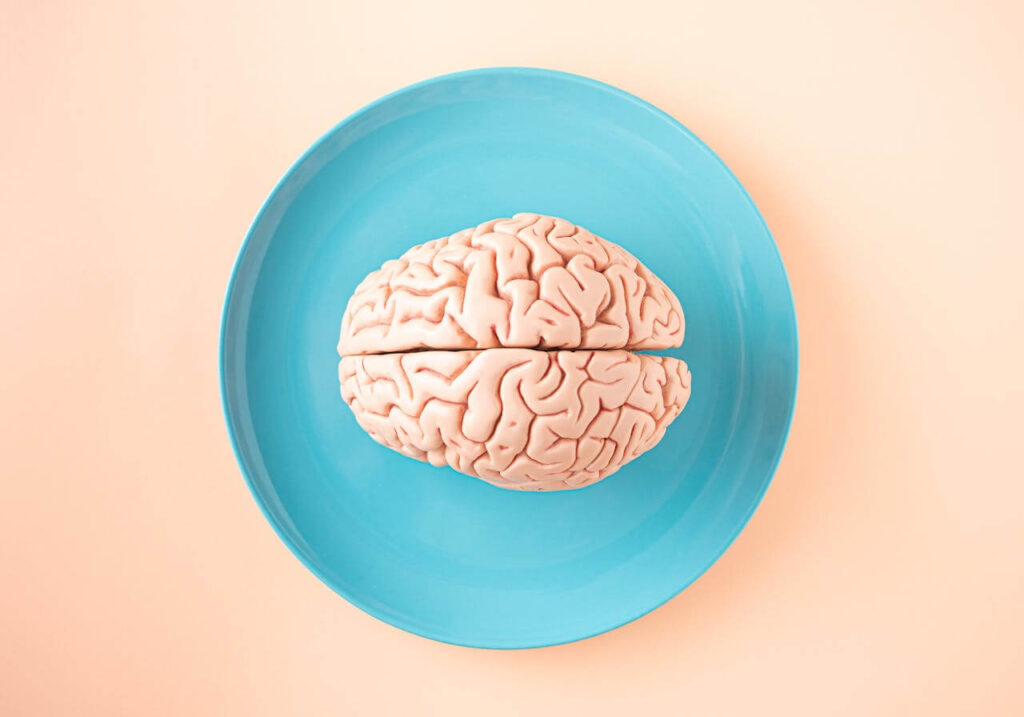
What you eat affects how well your brain detoxes. Too much sugar, alcohol, or processed foods can increase inflammation and oxidative stress. This can slow glymphatic clearance, so it’s best to limit them.8
Instead, focus on eating whole, nutrient-dense foods to fuel your brain. Think colorful fruits and veggies like berries, citrus, and leafy greens. Cruciferous vegetables like broccoli and cauliflower are some of the best brain detox foods. They contain sulfur compounds that boost detoxification.
Get your omega-3s

Omega-3 fatty acids are a must for brain health and are shown to improve glymphatic function.2 They help reduce inflammation in the brain and protect neurons from damage.
Good sources include fatty fish like salmon, sardines, and mackerel, as well as plant-based options like walnuts, chia seeds, or flaxseed. If you don’t eat fish regularly, taking a high-quality omega-3 supplement can ensure you’re getting your fill.
Practice intermittent fasting
Intermittent fasting is another way to support your brain’s natural detox.2 Going short periods without food encourages your body to clear out damaged waste and cells, including in the brain.
Time-restricted eating can feel daunting if you’re new to it. But you don’t need to go to extremes to see benefits. One easy way to start is to maintain a 12-hour fasting window between dinner and breakfast. For example, if you eat dinner at 7pm, wait until 7 am to eat breakfast. From there, you can work your way up to a 14-16 hour fasting window if it feels right.
Tend to your lymphatic system
Your glymphatic system and lymphatic system work as a team. After your glymphatic system collects waste in your brain, it sends it to your lymphatic system to clear it from your body. Supporting both systems is crucial for brain detox.
Here are a few simple practices to support lymphatic health:
- Stay active: Regular movement helps stimulate lymph flow.
- Keep hydrated: Drink plenty of water to support lymphatic function.
- Practice deep breathing: Deep, intentional breaths help move lymph and improve circulation.
- Dry brushing: This technique may encourage lymph flow and skin health. If you’re new to it, here’s a walk-through on how to dry brush.
Want a deeper dive? Check out my article on 10 simple ways to keep your lymphatic system healthy.
Keep stress in check

Chronic stress interferes with your brain’s natural detox. It increases norepinephrine, a stress chemical that slows glymphatic clearance.9 On top of that, chronic stress often disrupts sleep, the time when your brain does most of its cleaning.
To keep stress at bay, consider adding practices like meditation, yoga, or mindfulness into your day. Even a few minutes can help you relax and lower stress hormones. When stress is under control, sleep often improves, allowing your brain to detox more effectively.
Support Brain Detox Naturally with Functional Medicine in Orland Park, IL
Caring for your brain starts with the little things you do every day. Sleeping well, staying active, eating right, and managing stress all matter.
But sometimes we need some extra support. If you’re dealing with brain fog, fatigue, or trouble sleeping, functional medicine at Anchored in Health can help uncover what’s getting in the way.
Nutrient deficiencies, hormone imbalances, and toxin exposure can all contribute to sluggish detox. Addressing these root causes can help your brain and body function at their best.
Live in the Orland Park or greater Chicago area and ready to take the next step towards better brain health? Here’s what to do:
- Contact us with questions.
- Schedule a functional medicine consultation.
- Discover how supporting your glymphatic system can keep your brain healthy!
Other Holistic Health Services Offered at Anchored in Health in Orland Park, IL
Anchored in Health provides a wide range of services to support whole-body health. This includes chiropractic care, acupuncture, massage therapy, and the Shape ReClaimed program. We also offer genetic testing, thermography, and Vibrant Wellness testing to help get to the root of chronic health issues. If you live in the greater Chicago area and are looking for a personalized approach to health care, we’re here to support you. Contact us to learn more!
Disclaimer: The information provided on this blog is for educational and informational purposes only and is not intended to diagnose, treat, cure, or prevent any disease. The content is not a substitute for professional medical advice, diagnosis, or treatment. Always seek the guidance of a qualified healthcare provider with any questions you may have regarding your health or a medical condition.
Reading this blog does not establish a doctor-patient relationship between you and Anchored In Health or any of its practitioners. Reliance on any information provided in this blog is solely at your own risk.
Sources:
- A paravascular pathway facilitates CSF flow through the brain parenchyma and the clearance of interstitial solutes, including amyloid β | Pubmed
- The Sleeping Brain: Harnessing the Power of the Glymphatic System through Lifestyle Choices | PMC
- MRI markers of cerebrospinal fluid dynamics predict dementia and mediate the impact of cardiovascular risk | Alzheimer’s & Dementia
- The Expanding Burden of Neurodegenerative Diseases: An Unmet Medical and Social Need | Pubmed
- The Effect of Body Posture on Brain Glymphatic Transport | Pubmed
- Voluntary running enhances glymphatic influx in awake behaving, young mice | PMC
- The Effect of Physical Activity on Sleep Quality and Sleep Disorder: A Systematic Review | PMC
- Glymphatic Dysfunction Induced Oxidative Stress and Neuro-Inflammation in Major Depression Disorders | PMC
- The Glymphatic System – A Beginner’s Guide | PMC