
When it comes to improving gut health, probiotics and fiber are often the first things that come to mind. But what if supporting your gut is as simple as syncing your diet with nature’s calendar?
The benefits of seasonal eating go beyond taste or your wallet. Eating seasonal foods is a powerful way to support your gut microbiome. Just like leaves on a tree, your gut bacteria shift with the seasons. Eating seasonally helps you align with these natural shifts.
In this article, I’ll break down three ways seasonal eating helps nourish your gut, along with simple ways to get started.
What is Seasonal Eating?
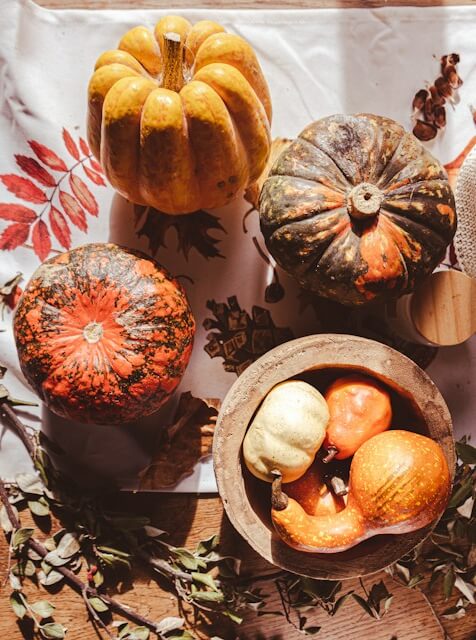
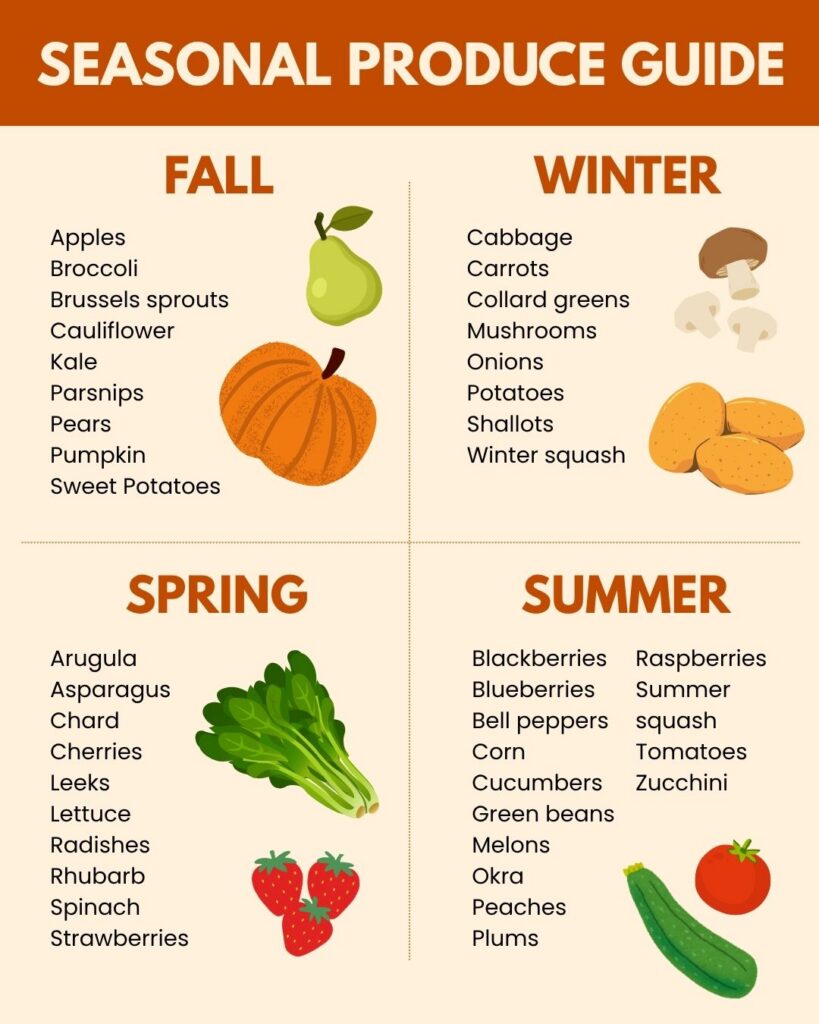
Seasonal eating is eating foods when they’re naturally harvested in your area. If you live near Chicago, that means leaning on apples, pumpkin, and Brussels sprouts in the fall. Then turning to foods like berries, melons, and cucumbers in the summer.
Eating seasonally may seem trendy, but it’s nothing new. It’s how everyone ate before food could be shipped across the world. But times have changed, and today, nearly every food is at our fingertips year-round. While convenient, this makes it easy to get in a rut and eat the same foods on repeat.
Seasonal eating shakes this up, helping us diversify our diet and connect with the cycles of nature. And it comes with many impressive benefits, particularly for your gut.
How Does Seasonal Eating Affect Gut Health?
Here are three key ways seasonal foods support your gut:
1 – Syncs your body with nature
Research shows that the gut microbiome can shift dramatically with the seasons.1 Scientists believe diet is part of the reason. Environmental and lifestyle factors like changes in sunlight, temperature, and activity levels may also play a role. Eating seasonal foods is a way to support your microbiome’s natural rhythms.
2 – Promotes microbiome diversity
Your gut microbiome thrives on variety. That’s because different plant fibers feed different strains of bacteria. So when you eat a wider range of plants, it helps support a wider mix of microbes.
Research shows eating a varied diet is linked with greater microbiome diversity, a key marker of good gut health.2 Fortunately, seasonal eating makes it easy to mix things up! As the harvest changes, so does your grocery list, which can help support a more diverse microbiome.
3 – Delivers more gut-loving nutrients
Foods that ripen naturally on plants tend to have more nutrients than food picked early.3 This includes polyphenols, antioxidant plant compounds that can act as food for your friendly flora. They help calm inflammation and even inhibit the growth of harmful bacteria.4,5
Since local, seasonal produce doesn’t have to survive a long trip to the store, it’s more likely to be picked ripe. That can mean more polyphenols on your plate, and hopefully, a happier gut.
Why Gut Health Matters (Especially in the Fall)
Functional medicine sees the body as a network of interconnected systems. In other words, the health of one system, such as the gut, can influence others. And as we dive deeper into fall, tending to your gut is more important than ever.
Winters in the Chicago area can be brutal. Chilly temperatures and darker days mean less time outdoors. Cold and flu season and the holidays add even more stress. The good news is that supporting your gut can help your body stay more resilient all winter long.
While the gut is best known for its role in digestion, it affects your mood and immune health, too. Your gut is home to 70-80% of your immune cells and produces roughly 95% of the happy hormone serotonin.6,7 Eating seasonal foods is a simple way to nourish your gut and support a healthier, happier winter.
Other Benefits of Seasonal Eating
The benefits of eating seasonally extend way beyond the gut. Here are a few more reasons to give it a try:
Tastes better
Food harvested at peak ripeness has more flavor. Out-of-season foods are often picked early and spend weeks in storage or transit before hitting store shelves.
More nutritious
Seasonal foods not only taste better, but they’re better for you. Fresh fruits and veggies picked closer to harvest have a richer profile of vitamins, minerals, and antioxidants.
Better for the environment
Eating seasonally also helps the planet. Purchasing local, in-season produce means less travel time. The result? A smaller environmental footprint.
Supports the local economy
Buying local, seasonal foods keeps money in your community. It supports farmers in your area and helps stimulate the local economy.
Costs less
Eating seasonally also helps your wallet. Since seasonal fruits and veggies are more abundant, they often cost less.
How to Tell Which Foods Are in Season
Now that you understand the benefits of seasonal foods, you may be wondering, “How do I actually do it?” Luckily, many free resources can help you find what’s in season:
Seasonal food app: This free app makes eating seasonally easy. Simply download the app, enter your location and month, and voila! You’ll see a list of seasonal foods in your area.
Seasonal produce calendars: If you live in Orland Park or the greater Chicago area, here’s an Illinois produce calendar to keep handy. Bookmark it and take a peek before you plan your weekly menu. Live somewhere else? Check out this site to find produce calendars for all 50 states.
Or take a screenshot of the chart below for a quick reference on your next grocery store run:
How to Practice Seasonal Eating in Orland Park
New to seasonal eating and unsure where to start? Here are a few resources to point you in the right direction:
Visit a farmers market
Farmers markets are ripe with seasonal fruits and vegetables (pun intended). The best part? Most produce at farmers markets is harvested 24-48 hours prior. You can’t get fresher than that!
Not sure where to go? Here are a few options in the Orland Park area:
- Market in the Park: Orland Park’s seasonal community market in Centennial Park (held June-August on Thursdays 4:00-8:00 pm)
- Tinley Park farmers market: Runs 8:00 am-12:30 pm on Saturdays in Harmony Square June through October.
- Dean’s Greens: An Orland Park farm stand that offers fresh seasonal produce May through October.
- Just Picked Farm Stand: A seasonal farm stand in Tinley Park that’s open seven days a week.
Live outside of the Orland Park area? Here’s a farmers market directory to help you find one near you.
Join a CSA
CSAs are another great source for seasonal foods. Short for community-supported agriculture, they allow you to buy a share of the farmer’s harvest.
If you live near Orland Park, Green Earth Harvest Farmshare in Tinley Park is a good option. If you’re not in the area, check out the Local Harvest directory to find one near you.
Shop the sales
Can’t make it to a farmer’s market? No worries! Just shop the weekly sales at your local grocery store. Since in-season foods are in abundant supply, they’re often on sale.
Seasonal eating is easy once you get the hang of it. But you don’t need to practice it perfectly to see benefits. Rather than going all in, challenge yourself to try one new seasonal food each week. Your gut will thank you!
Gut Issues? Start with Food & Go Deeper with Functional Medicine in Orland Park, IL
If you want to improve your gut health, food is the first place to start. And seasonal eating is a great way to support your gut as winter approaches. But if you’re eating well and still dealing with bloating, gas, discomfort, or other digestive symptoms, it may be time to look deeper.
That’s where functional medicine comes in. Instead of treating symptoms in isolation, it looks for the root causes behind gut issues. From there, you get a personalized plan with dietary, lifestyle, and supplement recommendations tailored just for your body.
Live in the Orland Park area and ready to get your gut back on track? Here’s how to get started:
- Contact us with questions.
- Schedule your first appointment with a functional medicine doctor in Orland Park.
- Get a targeted plan to help restore your gut and improve your health and vitality!
Disclaimer: The information provided on this blog is for educational and informational purposes only and is not intended to diagnose, treat, cure, or prevent any disease. The content is not a substitute for professional medical advice, diagnosis, or treatment. Always seek the guidance of a qualified healthcare provider with any questions you may have regarding your health or a medical condition.
Reading this blog does not establish a doctor-patient relationship between you and Anchored In Health or any of its practitioners. Reliance on any information provided in this blog is solely at your own risk.
Sources:
- The Influence of Seasonal Variations in Clinical Trials Based on Gut Microbiota Studies | PMC
- A healthy gastrointestinal microbiome is dependent on dietary diversity | PMC
- The Effect of Ripening Stages on the Accumulation of Polyphenols and Antioxidant Activity of the Fruit Extracts of Solanum Species | PMC
- The Immunomodulatory and Anti-Inflammatory Role of Polyphenols | PMC
- Dietary Polyphenol, Gut Microbiota, and Health Benefits | PMC
- The Interplay between the Gut Microbiome and the Immune System in the Context of Infectious Diseases throughout Life and the Role of Nutrition in Optimizing Treatment Strategies | PubMed
- Serotonergic Mechanisms Regulating the GI Tract: Experimental Evidence and Therapeutic Relevance | PMC